November 6, 2026
- Running
- Training
- Half Marathon
- Beginners
Halfmarathonrace-daymistakes:paceandfueling
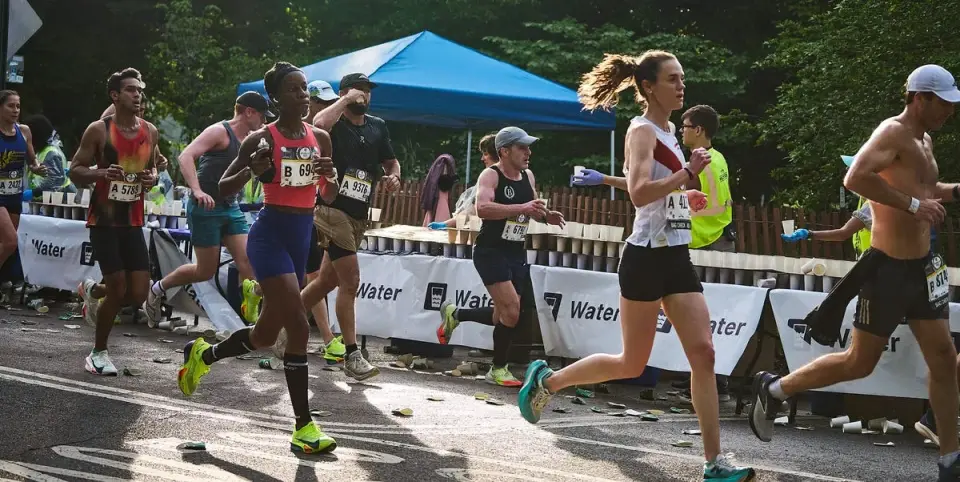
Half marathon morning is not the time to experiment. Runner’s World coaches and editors list the race-day mistakes that trip up beginners and veterans alike: new gear, ignoring the course map, chasing someone else’s pace, and fueling too late. Use this checklist to finish strong.
Do not wear anything new
A brand-new top, untested shoes or a gel you never tried in training often ends in chafing, sore feet or stomach trouble. Race day means only what you already proved on long runs. Even a familiar model should get one or two training runs if it is a fresh pair from the same line.
Study the course map first
Turns, narrow sections and hills are easier when you know them before the gun. Smaller races may have sparse markings, and a wrong turn costs minutes and energy. Check the elevation profile and course notes on the event site — and preview key stretches on foot if you can.
Run your plan, not someone else’s race
Crowd adrenaline makes the first kilometres feel easy. If you latch onto a faster pack or tighten your goal mid-race only because early splits look soft, the last third often brings empty legs. Stick to the plan you trained: banking time early rarely helps in a half. More on pace and negative splits is in our guide to choosing race pace.
Do not “make up” time in one surge
After a cautious first mile many runners surge in the second — and burn the fuel they need for the finish. The same after a bathroom stop: ease back to goal pace instead of closing a 30-second gap in one kilometre. Even or slightly negative splits beat panicky surges.
Fuel early and often
Waiting until you feel empty at 15–18 km is too late: carbs from gels or sports drink take about 20 minutes to become usable energy. A common long-race target is about 100 calories of carbohydrate every 20–30 minutes — practiced in training. In heat, hydrate with water and sodium the night before and two to three hours pre-start, and go easy on fat, fibre and protein in the pre-race meal.
Night-before checklist
Lay out your kit. Confirm start time, parking, toilets and aid stations. Pack only gels you have tested. Success is a strong finish and smart pacing, not someone else’s kilometre splits. Training mistakes for 13.1 miles are covered in our seven half-marathon training mistakes piece; this guide is about race day itself.