October 27, 2026
- Running
- Beginners
Howtochooserunningshoes:acompleteguidetofit,cushioningandwhentoreplacethem
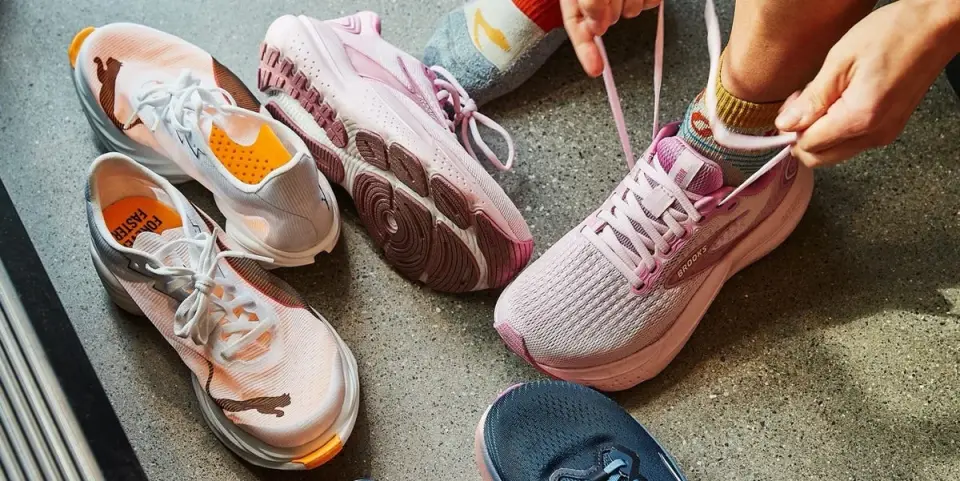
Running shoes are the most important, and really the only essential, piece of a runner's kit. The right pair makes runs more comfortable and helps you avoid blisters, chafing and black toenails, while the wrong one can turn every session into a struggle. When Runner's World testers evaluate shoes, they focus on three things: how they fit, how comfortable they are and how they ride. Here is what to look for when you buy.
Buy after a fitting, not by your usual size
Shopping online is easier, but trying shoes on in person is the best way to find your pair, ideally at a specialty running store. An experienced fitter can look at your gait and tell you whether you need a neutral or a stability shoe. If you do order online, check the return policy and keep the box.
- Measure both feet. Your feet change over time, and the same number can fit very differently across models and brands. If your feet differ, size for the larger one.
- Shop later in the day. Feet swell during the day and are biggest by evening, which helps you avoid buying a pair that is too small.
- Bring your own running socks and insoles (or orthotics if you use them): they noticeably affect the fit.
- Take them for a run. Walk and, if possible, run in the shoes. Your heel should not slip, and nothing should pinch or rub around the ankle.
How to check the fit
- Length. Leave about a thumbnail's width between your longest toe and the end of the shoe. Remember that your longest toe may be your second toe rather than your big toe.
- Width. There should be little to no pressure on your little toe and only slight pressure on your big toe. You should be able to wiggle your toes freely.
- Lacing. Lace snugly, but so you can slide a finger between the knot and the shoe. Another Runner's World rule of thumb: the laced area should be about the width of two fingers; three means too tight, one means too loose.
- Upper. If the fabric gathers or bunches, you may need a snugger fit; if it bulges or stretches, go bigger.
- No breaking in. Running shoes should feel right from the start. Don't settle for a cramped pair hoping it will stretch.
Comfort comes first. According to the experts quoted by Runner's World, a good fit doesn't just make the miles more pleasant: some research suggests comfort plays a role in injury risk.
Shoe anatomy and what it means for you
- Heel counter. The semi-rigid cup in the heel doesn't control motion, but it centres the heel for more stable landings. Make sure the back of the shoe doesn't irritate your Achilles tendon.
- Toebox. Wide enough for your forefoot to flex and spread naturally, which helps prevent blisters and black toenails.
- Outsole. Regular rubber is fine for the road, but trails call for tougher rubber with lugs that grip mud and rock. If you run on mountain paths, choose a dedicated trail shoe.
- Cushioning. Midsole thickness and softness are largely personal preference. Research shows the body provides most of the cushioning for your joints and that runners land harder in more cushioned shoes, so heel softness is mostly about perceived comfort. Look for a balance of cushioning, stability and ground feel.
- Heel-to-toe drop. This is the height difference between heel and forefoot. Experts disagree on how drop relates to injuries, but agree that changing it distributes forces differently through the foot and leg. So avoid jumping straight from a high-drop shoe to a zero-drop one.
- Stability. Scientists agree that most people don't need pronation support (for the foot rolling inward), but stability features appear to help some runners keep their preferred movement path. A stability shoe should support you, not over-correct your stride.
When to replace your shoes
Running shoes are generally replaced every 300–500 miles (roughly 480–800 km), depending on the brand and model. Modern carbon-plated super shoes may not last as long. Note the purchase date in your training log and pay attention to when a pair starts to feel worn down.
Quick buyer's checklist
- Try shoes on later in the day, in your running socks.
- Size for your larger foot, with a thumbnail's width of room.
- No heel slip, no pinching, no rubbing.
- Comfortable from the first minute, with no breaking in.
- Match the shoe type to your surface: road or trail.
New shoes are a good moment to review your preparation as a whole: read about 7 half marathon training mistakes and how a simple home strength workout builds strength and balance.
If you have persistent pain in your feet, knees or Achilles tendon, consult a doctor.