October 29, 2026
- Running
- Training
- Health
Howtoruninwinterandcoldweather:clothing,warm-upandsafety
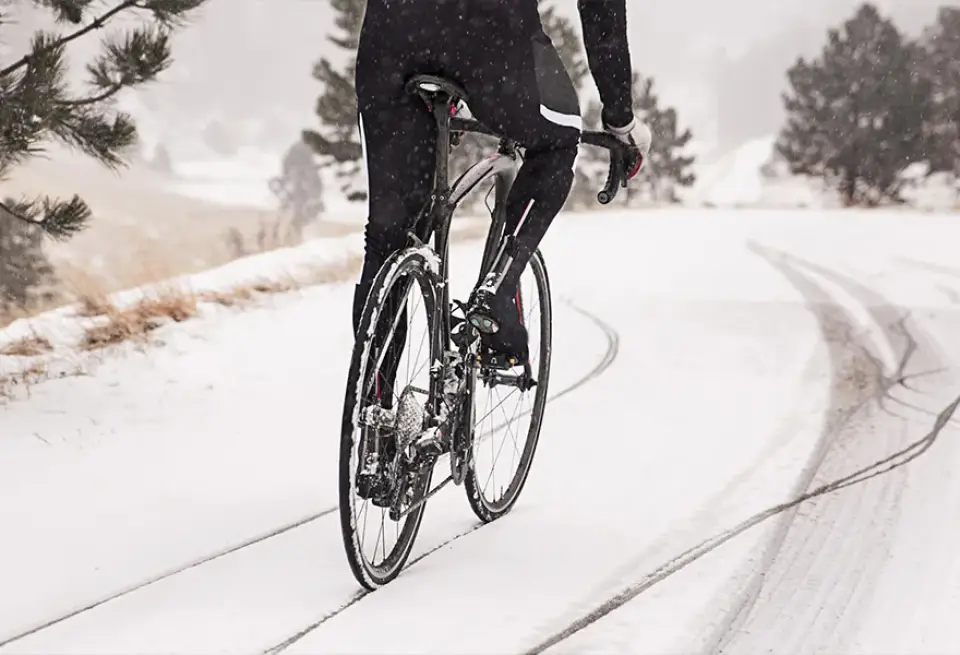
When the cold sets in, many runners put their shoes away until spring. But cold weather is no reason to stop training: sports medicine specialists at Mayo Clinic stress that exercise is safe for almost everyone in winter, as long as you prepare properly. Here is how to dress, warm up and stay safe on winter runs.
Check the forecast and the wind first
Before heading out, look beyond the temperature: check the wind, precipitation and how long you will be outside. Wind strips away the layer of warm air around your body, so it can feel much colder than the thermometer says.
- Frostbite. According to Mayo Clinic, the risk of frostbite is less than 5% when the air temperature is above −15 °C, but it rises as the wind chill falls. At wind chill below −28 °C, exposed skin can freeze in 30 minutes or less.
- When to stay in. If it is below −18 °C or the wind chill is extreme, swap your run for an indoor or treadmill workout.
- Rain and sleet. Without waterproof gear, it is better to wait it out: once you are wet, your body loses heat faster.
Dress in layers and don't overheat
The most common mistake is dressing too warmly. Running generates a lot of heat, and evaporating sweat then chills your body. Runner's World advises dressing as if it were roughly 6–11 °C warmer than it actually is, so you feel slightly cool at the start. Use the lower end for short, easy runs and the upper end for long or hard sessions, and go by the "feels like" temperature when it is windy.
- Base layer: a thin synthetic (such as polypropylene) or wool top that wicks sweat away. Avoid cotton, which stays cold and wet against your skin.
- Middle layer: fleece or wool for insulation.
- Outer layer: a windproof, waterproof but breathable jacket.
Layers let you shed clothing as soon as you start to sweat and put it back on when needed. Note that mixing running and walking makes you more vulnerable to the cold, because you repeatedly sweat and then cool down.
Protect your head, hands, ears and feet
In the cold, blood flow concentrates in your core, leaving your hands, feet, ears and head most exposed.
- Wear thin wicking gloves, and in hard frost add warm mittens on top. Put them on before your hands get cold.
- A hat or headband should cover your ears; in severe cold, cover your face with a buff or mask.
- Thick thermal socks may require shoes a half size to a full size larger than usual.
Warm up twice as long
Mayo Clinic specialists recommend roughly doubling your warm-up time in the cold, since muscles take longer to get ready. Start with light aerobic activity, such as walking or easy jogging, before any stretching. Build up your pace gradually and don't skip the cool-down.
Stay safe in the dark, on ice and in the mountains
- It gets dark early in winter, so wear reflective clothing or a headlamp.
- On ice and snow, choose footwear with good traction to avoid falls.
- Winter sun burns just as much as summer sun, especially on snow and at altitude. Use sunscreen and lip balm with SPF, and protect your eyes with sunglasses.
- On windy days, run into the wind on the way out and with it at your back on the way home, so you are not facing a cold headwind while sweaty.
- Let someone know your route and when you expect to be back.
Drink even if you are not thirsty
Dehydration is harder to notice in winter, but it still happens: you lose fluid through sweat, breathing and dry, cold air. Drink water before, during and after your workout. We covered how much fluid you really need in "How much water to drink a day".
Know the signs of frostbite and hypothermia
Frostbite most often affects the cheeks, nose, ears, fingers and toes. Early signs are numbness, loss of feeling, and a prickling or stinging sensation. Get out of the cold right away and warm the area slowly, but don't rub it. Seek emergency care if the numbness doesn't go away.
Hypothermia is a dangerous drop in body temperature. Signs include intense shivering, slurred speech, loss of coordination and fatigue. If you suspect hypothermia, call for emergency help immediately.
After your run
Once you stop, you cool down very quickly, so change into dry, warm clothes or take a warm shower right away. If you are not finishing at home, bring a change of clothes.
And remember that running with a cold is a separate question. Read when it is fine to train and when to rest in "Can you run with a cold, cough or sore throat".
This information is for general guidance. If you have asthma, heart or lung disease, Raynaud's disease or another chronic condition, consult a doctor before training outdoors in winter.