November 3, 2026
- Running
- Training
- Health
Shinsplintsinrunners:howtorecognizethem,whattodoandhowtopreventthem
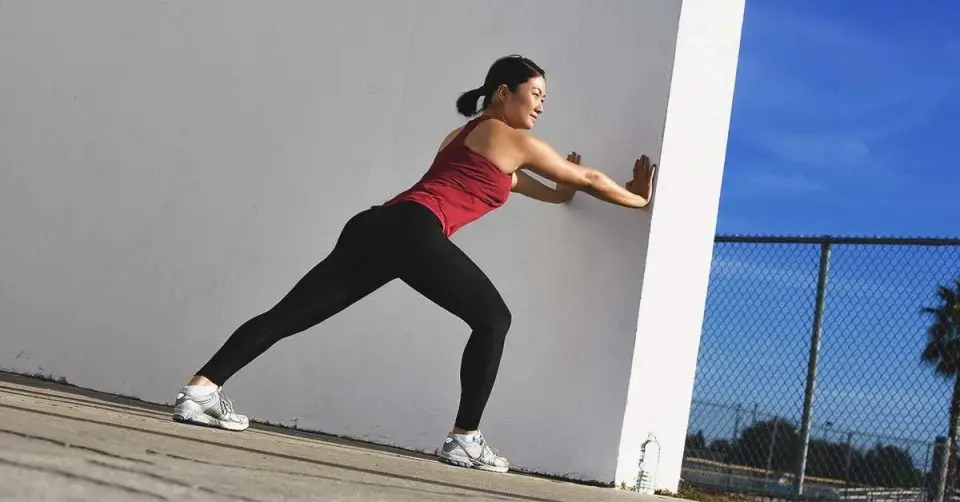
An aching pain along the front of the lower leg is one of the most common complaints among new runners. It is known as shin splints, or medial tibial stress syndrome. According to Mayo Clinic, it often appears in athletes who start training noticeably harder. The extra load stresses the muscles, tendons and bone tissue, and in most cases rest, ice and other self-care measures help.
How to recognize shin splints
You will usually notice tenderness, soreness or pain along the inner side of the shinbone (the large bone at the front of the lower leg), sometimes with mild swelling in the lower leg. At first the pain may stop when you stop exercising and may ease with stretching. Over time it can become constant, and then you may be developing a stress reaction or a stress fracture.
Why it happens
The cause is continuing stress on the shinbone and the connective tissues that attach muscles to it. Your risk is higher if you:
- run, especially when starting a running program;
- quickly increase how long, how often or how hard you train;
- run on uneven ground such as hills, or on hard surfaces such as concrete or asphalt;
- have flat feet or high arches.
Healthline adds that shin splints can also appear after a change of surface, for example when you move from a soft dirt track to pavement.
What to do if your shins already hurt
- Rest. Skip activities that cause pain, swelling or discomfort, but don't stop moving completely. Swimming, cycling or water running are good options.
- Ice. Apply cold to the shin for 15 to 20 minutes at a time, wrapping the ice pack in a thin towel to protect your skin. Mayo Clinic suggests doing this 3 to 4 times a day for several days.
- Compression and elevation. Healthline suggests wearing a calf compression sleeve and raising your legs on a pillow or chair while you ice.
- Lower the load. If you do keep running, cut your distance and frequency, reduce intensity by about 50%, and avoid hills, uneven and hard surfaces. A treadmill may be a safer option.
- Over-the-counter pain relief. Ibuprofen, naproxen or acetaminophen can reduce the pain, but they are not a substitute for treatment: you still need stretching, foam rolling and rest.
Exercises for the lower leg
Healthline recommends doing them daily or every other day, together with rest and icing. Don't do these exercises if they hurt, and skip them if you suspect a stress fracture or another serious injury.
- Seated shin stretch. Kneel and sit down gently so your heels are under your glutes. Place your hands on the floor behind you, lean back slightly and gently press down on your heels with your body weight. Hold for 30 seconds and repeat up to 3 times.
- Soleus stretch. Face a wall, place both hands on it and step one foot slightly behind the other. Slowly squat, bending both knees and keeping both heels on the floor. Hold for 30 seconds and repeat up to 3 times.
- Gastrocnemius stretch. Push against a wall with both hands, step the stretching leg back and keep it straight, bend the front knee, and keep both feet flat. Lean your torso forward. Hold for 20 seconds and repeat 3 times.
- Calf raises. Stand on a step with only the balls of your feet on it. Slowly rise onto your toes, then lower, stretching your foot and calf. Repeat 3 to 5 times.
- Foam rolling. Start on your hands and knees with the roller under your chest, place a shin on the roller and slowly roll up and down, controlling the pressure with your other leg.
How to prevent shin splints
- Build up gradually. Mayo Clinic describes about a 10% increase in impact activity per week as a good progression. For more on training-load mistakes, see "7 half-marathon training mistakes and how to avoid them".
- Choose the right shoes. They should be comfortable, well cushioned and suited to your foot. Runners are advised to replace shoes about every 350 to 500 miles (560 to 800 km). See our guide "How to choose running shoes".
- Consider insoles. Arch supports may help if you have flat arches, and shock-absorbing insoles may reduce symptoms and prevent them from coming back.
- Cross-train. Swimming, walking, cycling or yoga a few times a week lowers the impact on your shins.
- Add strength training. Exercises for your legs, ankles, hips and core help prepare your body for high-impact sport.
- Check your technique. A sports medicine professional can review a video of you running and suggest changes: often small adjustments and strength exercises are enough. Healthline also suggests having your stride observed at a running store to match shoes to your foot structure.
Getting back to running
Return gradually once the pain is gone. Healthline suggests starting with walking, and if you can walk pain-free for a few days, moving on to slow jogging. Ice after workouts and stretch before and after.
This information is for general guidance. See a doctor if the pain doesn't ease with rest, ice and over-the-counter pain relievers, gets worse, or you suspect a more serious injury: a doctor can examine you and, if needed, order an X-ray to rule out a stress fracture.